Nintendo’s Q1 2027 Earnings: How a Trump Tariff Refund Hid a Switch 2 Slowdown
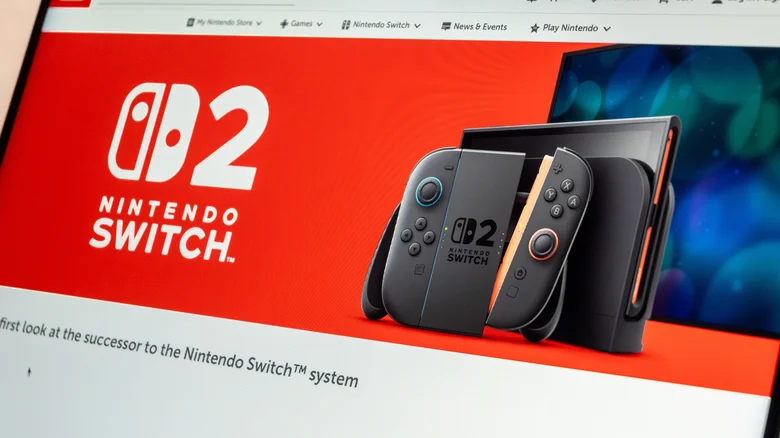
Nintendo just dropped its first-quarter numbers for fiscal year 2027, and the headlines look spectacular at first glance. Profit more than doubled. Shares jumped nearly 3 percent. Analysts scrambled to revise their models. But dig past the surface, and you will find a more complicated story. This post breaks down what actually happened, why a political refund from Washington distorted the picture, and what gamers and investors should expect from Kyoto over the next twelve months.
Table of Contents
- The Headline Numbers That Caught Wall Street Off Guard
- The Tariff Refund: A $900M Political Windfall
- Why the Supreme Court Ruling Matters for Gamers
- Switch 2 Sales: The Real Story Behind the Drop
- From Record Launch to Cooling Demand
- What the Price Hike Means for Holiday 2026
- Software and Movies: Nintendo’s Real Profit Engine
- Mario Kart World and the Attach Rate Goldmine
- The Super Mario Galaxy Movie Effect
- What Investors Should Watch in FY2027
- What This Means for Gamers
- Conclusion
The Headline Numbers That Caught Wall Street Off Guard
On August 6, 2026, Nintendo reported operating profit of ¥142.6 billion ($903 million) for the quarter ended June 30. That figure more than doubled the ¥56.9 billion the company posted in the same period last year. Net profit attributable to shareholders climbed to ¥147.4 billion, up from ¥96.0 billion a year earlier. Nintendo’s Tokyo-listed shares spiked 2.87 percent on the news.
Ordinary profit, which includes investment income and foreign exchange gains, surged to ¥206.2 billion from ¥95.8 billion. The company pointed to higher-margin software sales and equity investment gains as additional contributors. On paper, these numbers suggest a business firing on all cylinders.
But here is the catch. Net sales actually fell 9.5 percent to ¥517.8 billion. Revenue went down, yet profit went up. That disconnect should raise eyebrows. When a hardware company sells less stuff but earns far more money, something unusual sits beneath the headline.
Image: Nintendo FY2026 Financial Results Explanatory Material cover page showing the official earnings report format. Alt text: “Nintendo official financial results document cover for fiscal year ended March 2026.”
The Tariff Refund: A $900M Political Windfall
The real hero of this earnings story does not wear a red cap or throw fireballs. It wears a black robe and sits on the US Supreme Court.
In February 2026, the Supreme Court struck down Donald Trump’s sweeping “liberation day” trade tariffs, ruling them illegal. The Trump administration subsequently refunded roughly $100 billion in collected tariffs, representing about 60 percent of the $165 billion total. Nintendo had previously recorded those tariff costs on its books. When the refund arrived, it reversed those expenses and booked a massive one-time gain.
Nintendo had actually filed a lawsuit demanding a full refund after the court ruling. The company has not disclosed the exact refund amount, but the scale of the profit jump suggests it was substantial. Without this political windfall, the quarterly profit picture would look dramatically different.
This matters because one-off gains tell you nothing about the health of the core business. Investors who glance at the headline and buy shares based on a 53 percent profit spike risk missing the underlying softness in hardware demand.
Why the Supreme Court Ruling Matters for Gamers
You might wonder why gamers should care about a trade policy court case. The answer is simple: tariffs drive up console prices. Nintendo had already warned that US tariff measures would add roughly ¥100 billion in costs during fiscal year 2027, largely from memory component price increases and direct tariff impacts.
With the tariffs now struck down, Nintendo faces less pressure to pass those costs directly to consumers. However, the company already announced price hikes. The Switch 2 will jump from $449.99 to $499.99 in the United States on September 1, 2026. Europe and Japan will see similar increases. The tariff refund padded profits now, but the price increases still hit your wallet later.
Switch 2 Sales: The Real Story Behind the Drop
Here is where the narrative shifts from celebration to caution. Switch 2 hardware sales dropped significantly during the quarter. After shipping 19.86 million units in its debut fiscal year and clearing nearly 20 million in sell-through, the console hit a post-launch wall.
Nintendo itself acknowledged this in its full-year forecast. The company expects Switch 2 hardware sales to decline to 16.5 million units in fiscal year 2027, down from 19.86 million in FY2026. Management explained that launch-year sales were “more concentrated” than with previous hardware systems. In plain English, early adopters rushed in faster than usual, leaving fewer buyers waiting in the wings.
From Record Launch to Cooling Demand
The Switch 2 enjoyed one of the most explosive launches in gaming history. It moved 3.5 million units in its first four days on sale in June 2025. By March 2026, it had shipped 19.86 million units globally, beating Nintendo’s own forecast. In the United States, Circana data showed it became the second fastest-selling video game system in American history, with 5.9 million units sold in the first twelve months.
But momentum rarely lasts forever. By April 2026, reports surfaced that Nintendo had cut Switch 2 production by over 30 percent, from roughly 6 million units to 4 million for the quarter, as demand softened after the holiday season. VGChartz estimates for April 2026 showed Switch 2 sales in the Americas at roughly 333,000 units, down significantly from prior months.
This cooldown is normal for any console entering its second year. The original Switch experienced similar patterns. However, the speed of the slowdown surprised some analysts, especially given the supply constraints that plagued the Switch 2 during its first six months.
Image: Nintendo Switch 2 handheld console displaying the system logo. Alt text: “Nintendo Switch 2 console showing the system boot screen with colorful background.”
What the Price Hike Means for Holiday 2026
Nintendo plans to raise the Switch 2 price to $499.99 in the United States on September 1, 2026. Japan will see a jump from ¥49,980 to ¥59,980 on May 25, 2026. Europe moves to €499.99 on the same September date.
This creates a fascinating dynamic heading into the holiday season. Consumers who delayed their purchase now face a $50 price increase. Nintendo may see a short-term demand spike in August as buyers rush to beat the hike, followed by a potential slump in September and October as sticker shock sets in.
The company has factored this into its forecast. Nintendo expects FY2027 net sales of ¥2.05 trillion, down 11.4 percent from FY2026. Operating profit guidance sits at ¥370 billion, only slightly above the prior year. Net profit is projected to fall 26.9 percent to ¥310 billion, reflecting the absence of another tariff refund windfall.
Software and Movies: Nintendo’s Real Profit Engine
While hardware sales cooled, Nintendo’s software business delivered the goods. This is where the company actually makes its money. Hardware margins remain thin, especially during launch periods. Software, however, carries rich profit margins and drives recurring revenue through Nintendo Switch Online subscriptions.
Mario Kart World and the Attach Rate Goldmine
Mario Kart World stands as the undisputed champion of Switch 2 software. The game sold 14.70 million units worldwide as of March 31, 2026, making it the top-selling first-party title on the platform. Donkey Kong Bananza added another 4.52 million units.
Total Switch 2 software reached 48.71 million units for fiscal year 2026, yielding an attach rate of roughly 2.45 games per console. That number understates reality because it does not fully account for the millions of Mario Kart World copies bundled with the $499.99 launch package. High attach rates matter because every first-party game sold on a Nintendo platform delivers far better economics than the hardware itself.
Nintendo also saw steady performance from titles like Mysterious Book, Yoshi, Pokemon Pokopia, and Star Fox during the recent quarter. The company plans to release 60 million Switch 2 software units in FY2027, up 23.2 percent from the prior year. This signals confidence that the installed base, while growing more slowly, will buy more games per machine.
The Super Mario Galaxy Movie Effect
Nintendo’s intellectual property strategy extends far beyond gaming hardware. The Super Mario Galaxy Movie, which began its global theatrical run on April 1, 2026, grossed over $800 million worldwide in its first four weeks alone.
This cinematic success feeds back into the gaming business in subtle but powerful ways. Box office hits rekindle interest in related game franchises. Parents who took their children to see the movie suddenly face requests for Mario merchandise, Nintendo Switch Online subscriptions, and new game purchases. The original Super Mario Bros. Movie in 2023 created a similar halo effect, boosting sales of legacy Mario titles on the original Switch.
Movie revenue falls under Nintendo’s “IP related income” segment, which also includes smart-device games, royalties, and merchandise. While this segment declined 9.7 percent in FY2026 to ¥73.5 billion, the Super Mario Galaxy Movie success in early FY2027 should provide a meaningful boost in the current year.
What Investors Should Watch in FY2027
Nintendo’s stock rallied on the earnings beat, but smart investors should look past the tariff refund and focus on three key metrics.
First, watch Switch 2 sell-through versus the 16.5 million unit forecast. If demand falls faster than expected, Nintendo may need to cut prices or increase marketing spend, both of which pressure margins. The $50 price hike adds risk to this equation.
Second, monitor software attach rates. Nintendo expects software unit growth of 23 percent despite hardware unit declines. That only works if existing owners buy more games. Titles like Fire Emblem: Fortune’s Weave, scheduled for release later in 2026, will test whether the core audience remains engaged.
Third, track the impact of the Super Mario Galaxy Movie on IP-related revenue. If the film drives merchandise and licensing growth, it validates Nintendo’s broader entertainment strategy and provides a buffer against hardware cyclicality.
Currency movements also deserve attention. Nintendo assumes exchange rates of 150 yen per US dollar and 175 yen per euro for FY2027. A stronger yen would compress overseas revenue when converted back to Japan, while a weaker yen provides a tailwind.
What This Means for Gamers
If you are considering a Switch 2 purchase, timing matters more than ever. Buy before September 1, 2026, and you save $50 in the United States. Wait too long, and you pay the new $499.99 price. Nintendo has not announced any hardware revisions or mid-generation upgrades, so the current model remains your only option.
On the games front, the pipeline looks healthy. Nintendo has first-party titles scheduled through autumn 2026 and into 2027. Third-party support continues to build, with major releases from publishers like Square Enix, Capcom, and indie studios filling the calendar. The Switch 2’s backward compatibility with original Switch games also means the library already spans thousands of titles.
For existing owners, the cooling hardware sales actually benefit you. Nintendo needs to keep software sales growing despite a smaller pool of new console buyers. That pressure typically translates into better Nintendo Switch Online deals, more aggressive game promotions, and a stronger push for digital sales where margins are highest.
Want more articles and tutorials like this?
Get new tutorials, security alerts, and IT tips straight to your inbox.