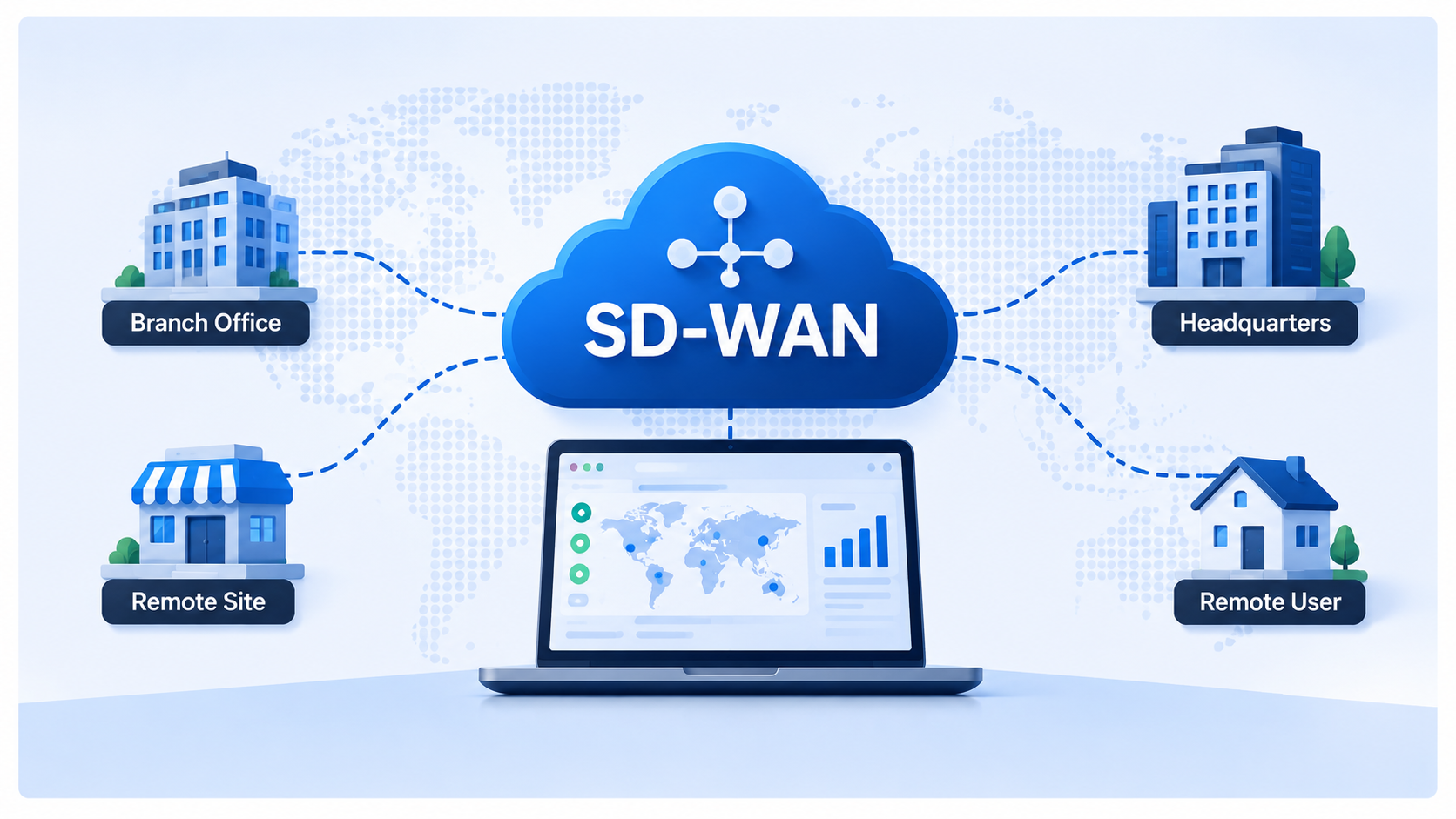
What Is SD-WAN? A Simple Beginner’s Guide to Software-Defined Networking
Imagine a company with offices in three different cities. Employees in each office need to access the same applications, communicate with each other, and...
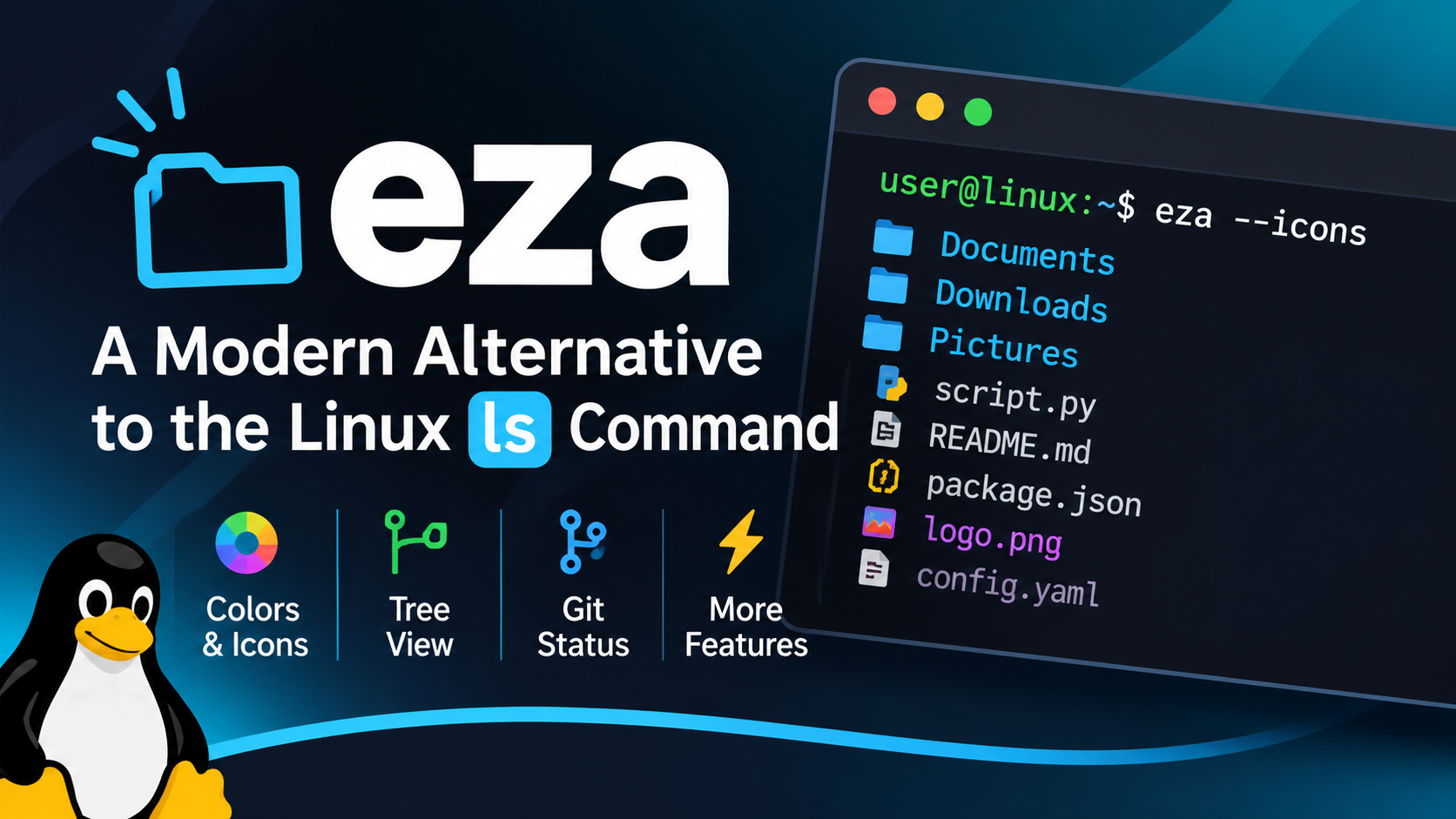
The ls command is one of the most frequently used tools in Linux. It helps users list files and directories, but what if you...
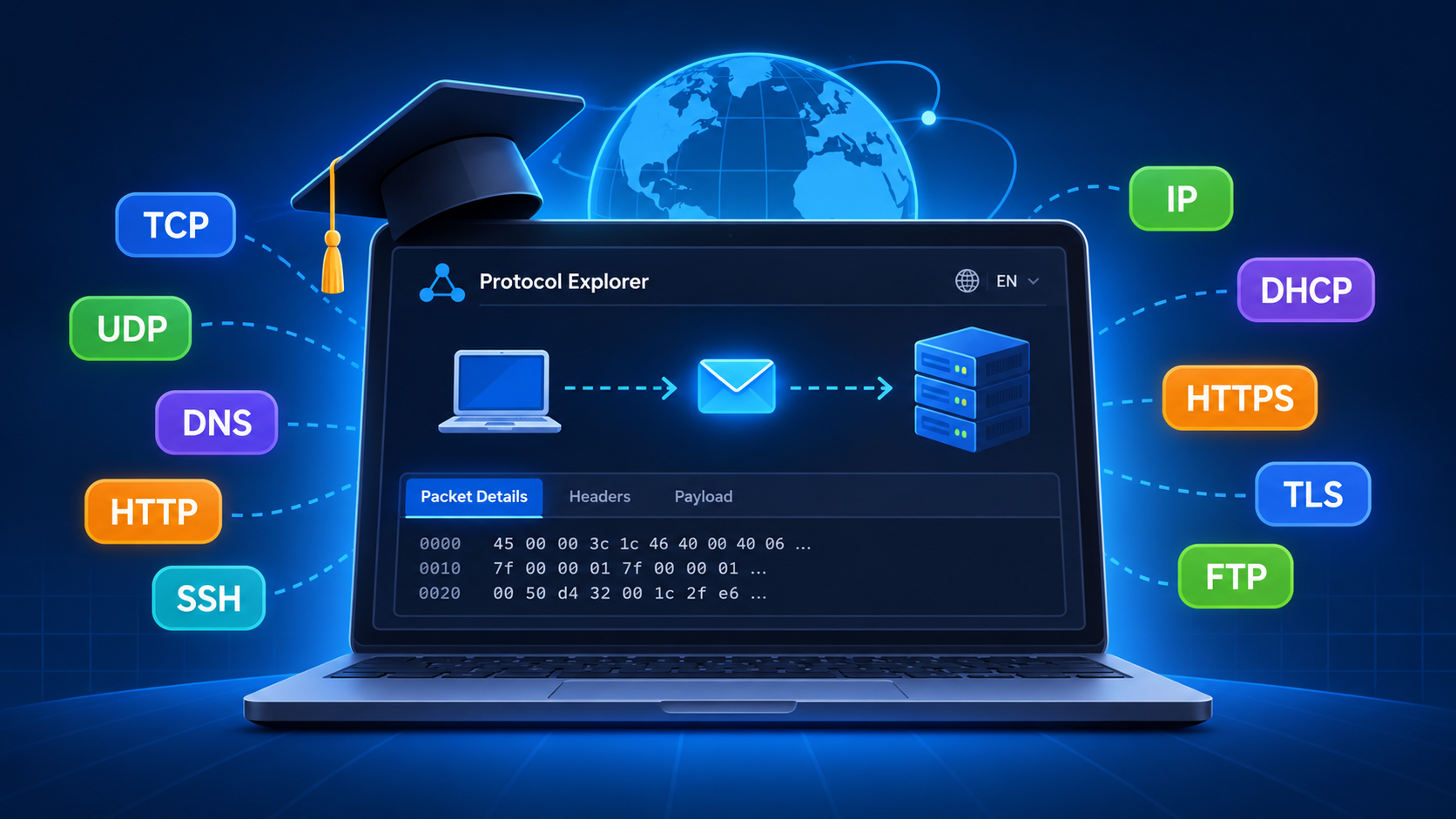
Understanding how data travels across a network can be challenging, especially for beginners learning networking, TCP/IP, and network troubleshooting. Protocol Explorer offers an interesting...
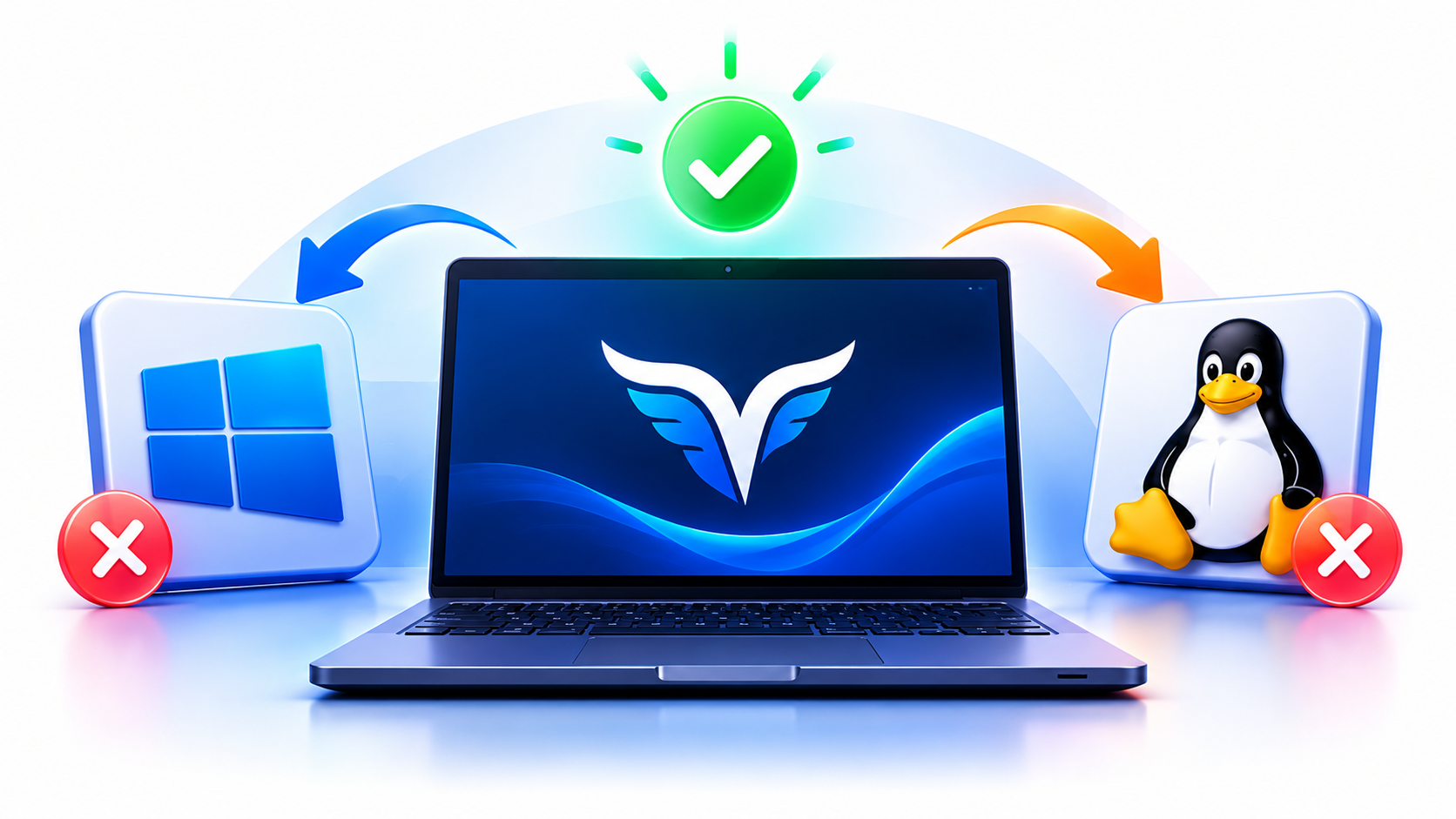
What if you could run Windows applications without installing Windows, or use Linux applications without running a Linux distribution? That’s the idea behind LiberNT,...
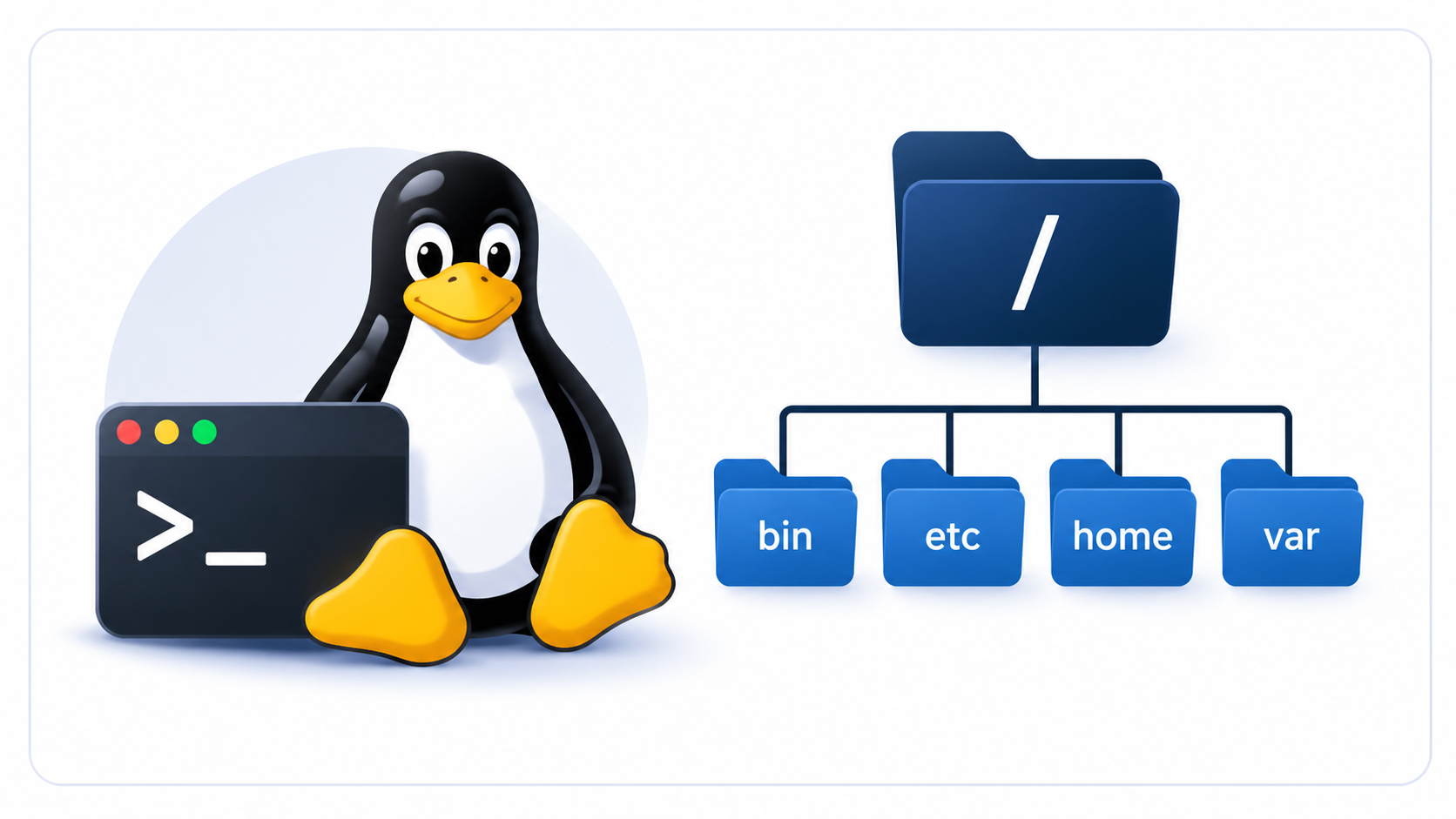
When learning Linux, two important concepts often create confusion: the Linux Kernel and the Filesystem. They work together, but they have different responsibilities. Understanding...
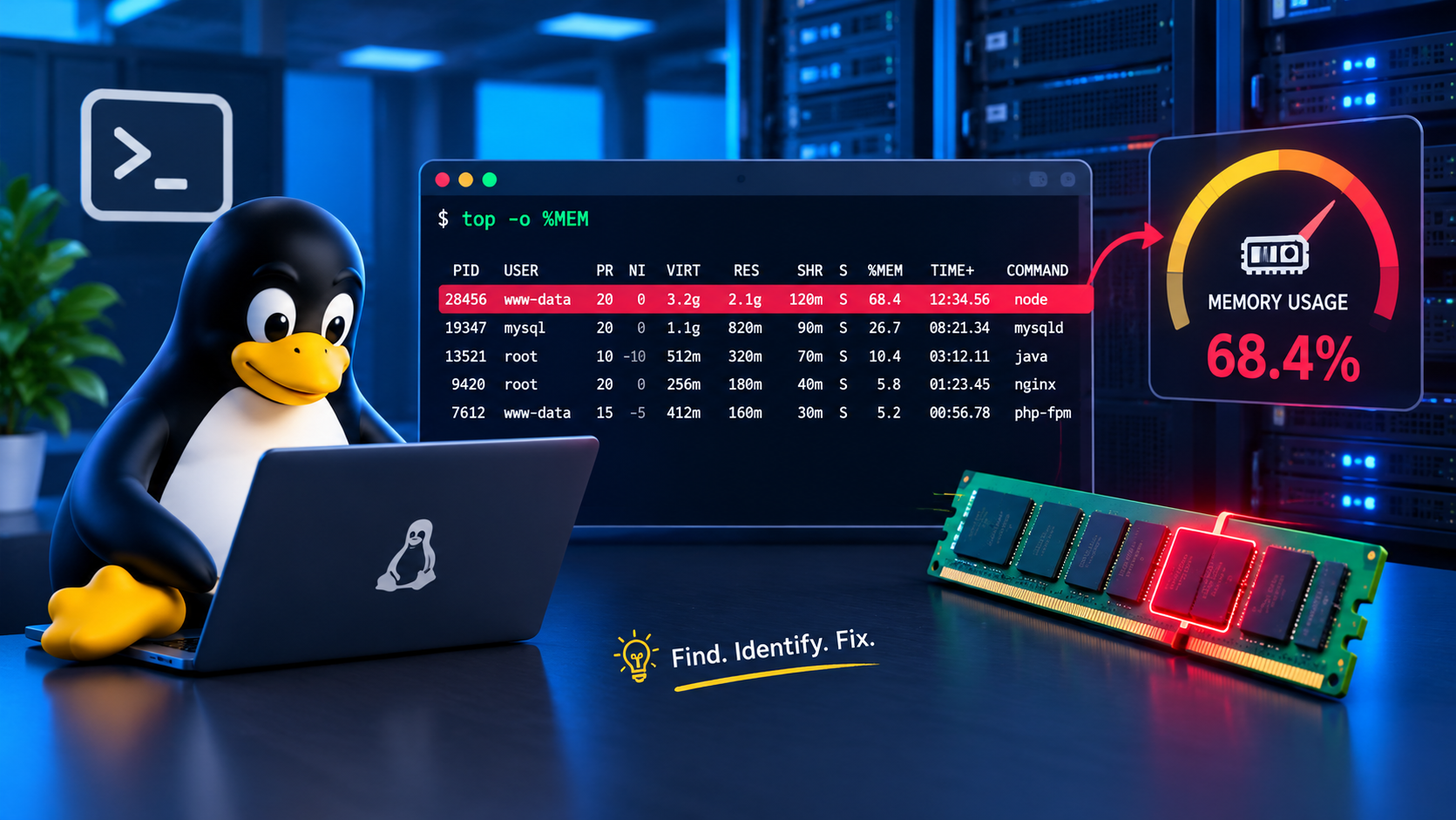
total used free shared buff/cache availableMem: 16Gi 9.2Gi 1.1Gi 450Mi 5.7Gi 6.1GiSwap: 2.0Gi 256Mi 1.7Gi Here’s what the columns mean: Important: Linux uses available...
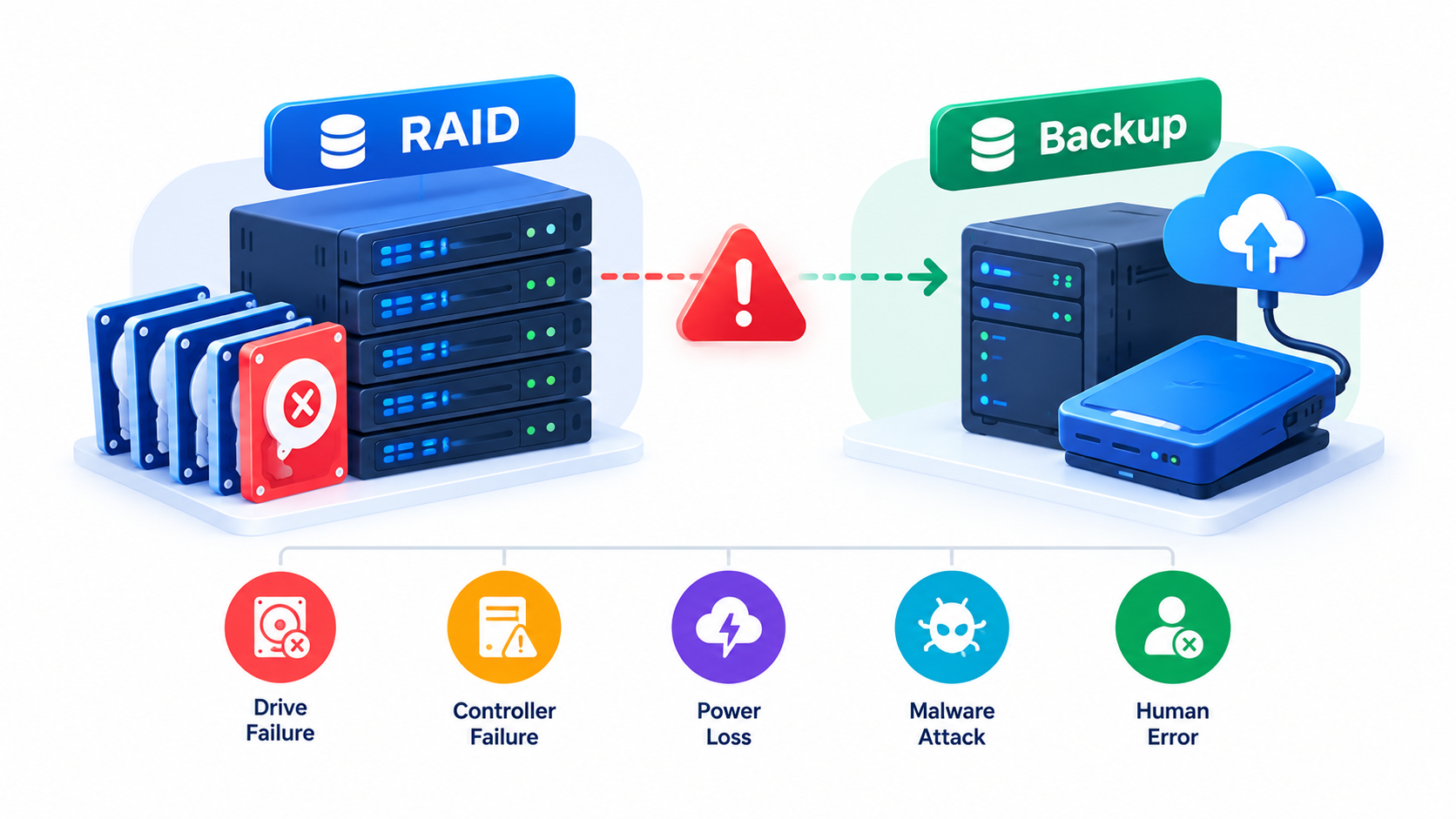
A technical guide for system administrators on RAID reliability, data loss, storage failures, and practical backup strategies. The key takeaway: RAID helps keep systems...
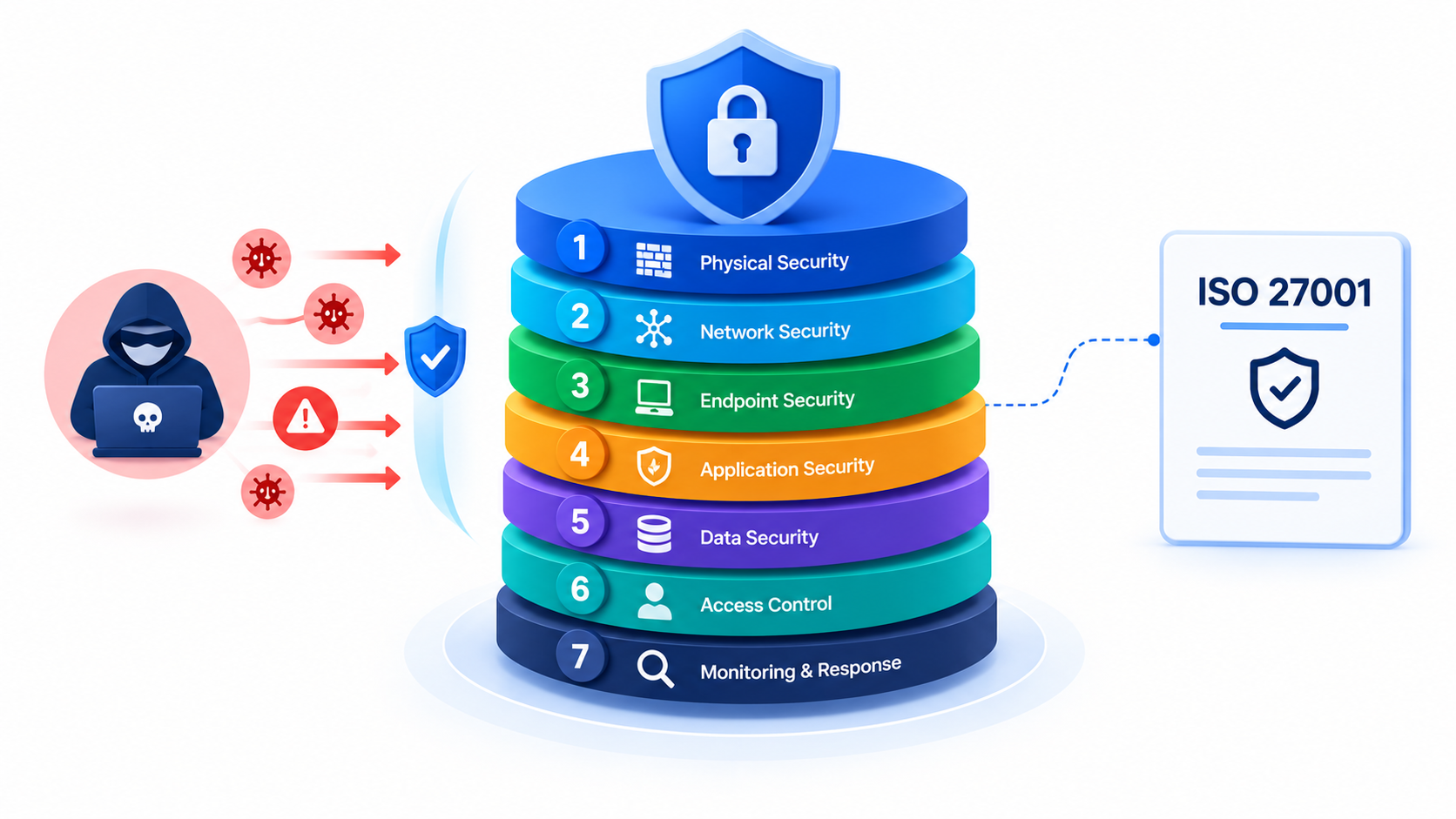
Cyberattacks rarely exploit just one weakness. An attacker might enter through a phishing email, exploit an unpatched server, move across the network, and steal...
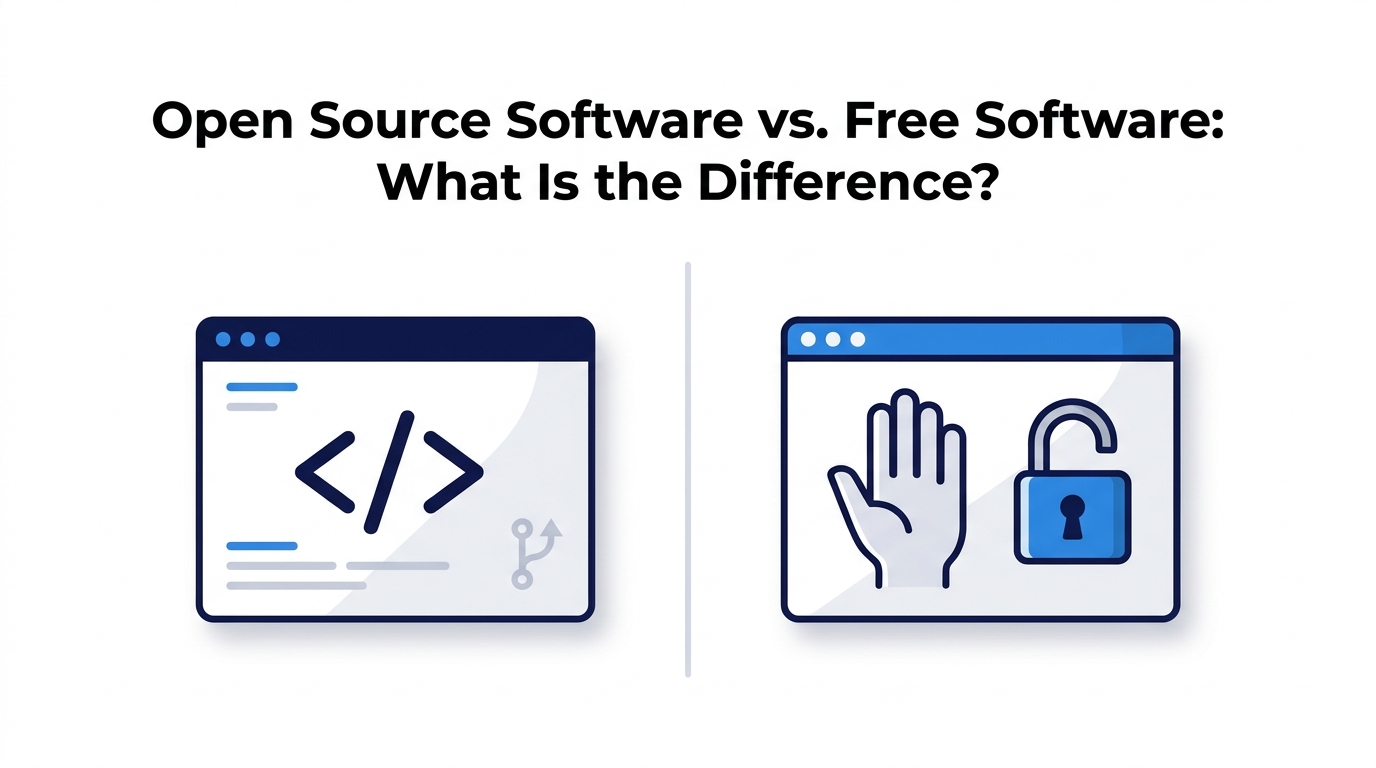
Open source software and free software have changed how developers build applications, how businesses manage their IT infrastructure, and how people use computers. Both...
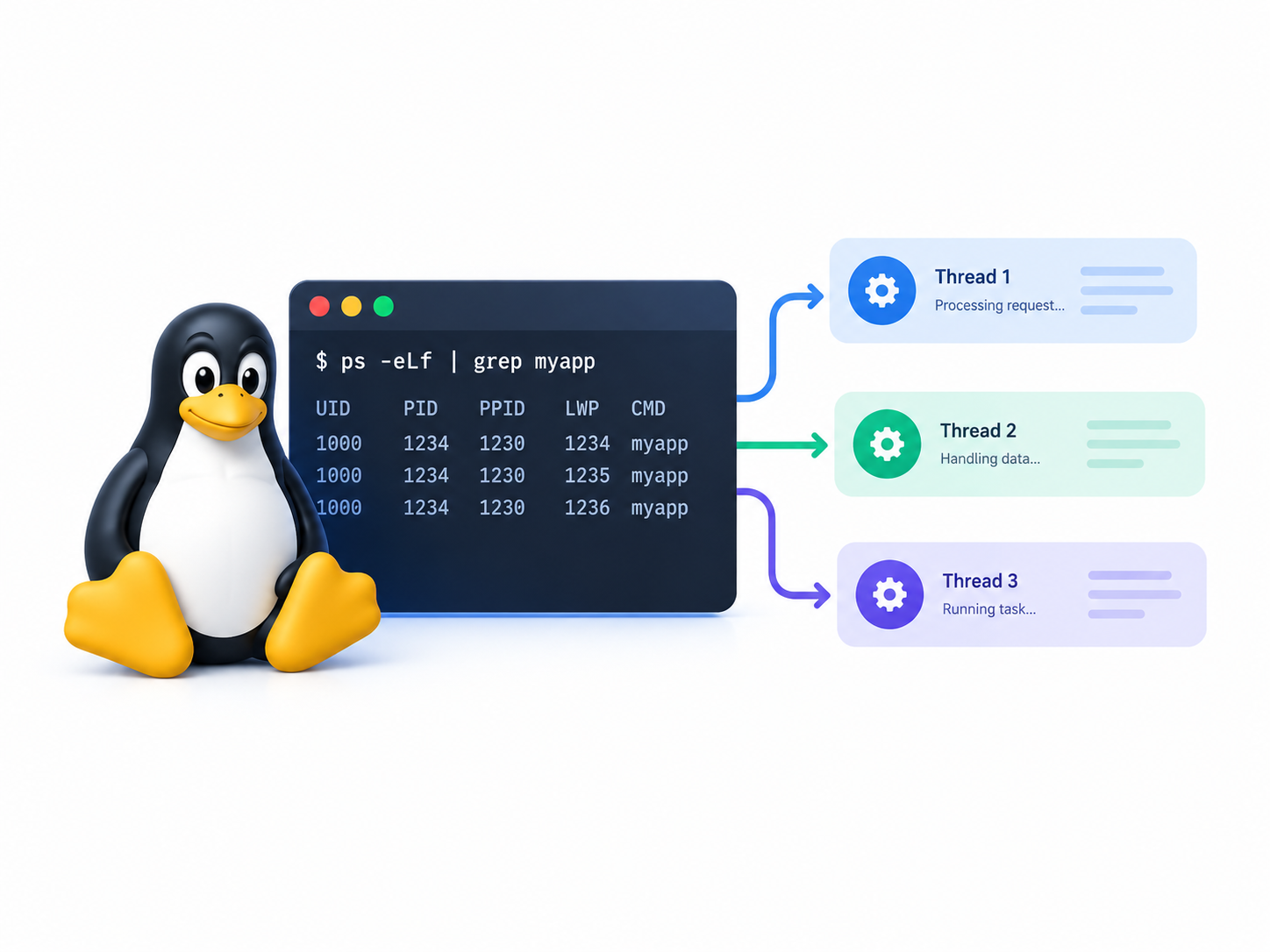
Linux threads help applications perform multiple tasks within a single process. Web servers, databases, desktop applications, and system services use threads to handle concurrent...